
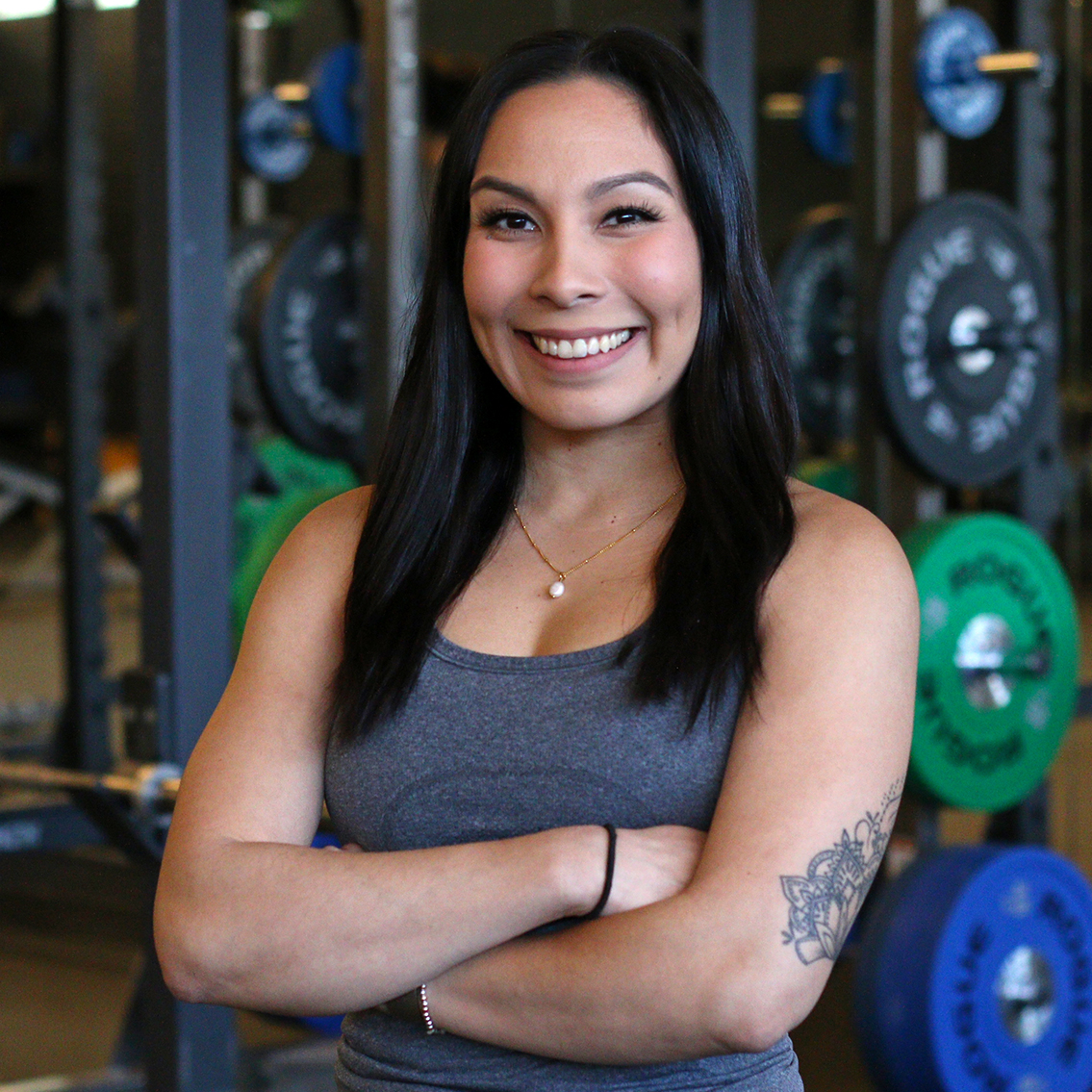
Personal Trainer
Lower back pain can stem from various causes, including poor posture, muscle imbalances, and lack of strength. If you’re experiencing lower back pain without a diagnosed cause, training your abdominals and improving your posterior chain endurance can be highly beneficial. But what exactly is posterior chain endurance, and why is it important?
Understanding Posterior Chain Endurance
The posterior chain includes essential muscle groups located on the backside of your body, such as the glutes, hamstrings, lats, and rear shoulder muscles, to name a few. When we refer to posterior chain endurance, we’re talking about the ability of these muscles to exert force or repetitively contract. This endurance boosts overall strength, improves posture, and is crucial for daily movements like bending, lifting, and carrying, thereby reducing your risk of injury.
Why Work on Your Abs?
Building a strong core, including your abdominals, obliques, and lower back, helps support your spine and reduce pain. This can reduce stress on your lower back, making daily activities easier, and minimizing your chances of injury.
5 Exercises for Lower Back Pain
Below are five exercises designed for gym beginners, those recovering from injury, or people dealing with back pain. Due to their targeted focus on core engagement and lack of movement, these exercises provide a safe way to build strength without excessive strain.
Planks
Planks engage multiple muscle groups, particularly the rectus abdominis, transverse abdominis, and obliques,
Side Planks
Side planks specifically target the oblique muscles, which are essential for rotational movements and lateral stability.
Dead Bugs
Dead bugs train core engagement as well as coordination between the upper and lower body, improving neuromuscular control and body awareness.
Quadruped Shoulder Taps
Improves balance by challenging your ability to stabilize while moving one limb at a time and works on improving coordination.
Prone Cobra
The prone cobra targets the erector spinae, rhomboids, low back and glutes, to help build posterior chain strength and endurance. This exercise also forces us into scapular retraction, which is perfect for training good posture, especially for those who spend most of the day sitting at a desk.
Conclusion
By focusing on these foundational elements of strength training, you can effectively address non-specific lower back pain. However, it is essential to remember that many factors contribute to lower back pain. A comprehensive fitness assessment will provide the necessary information to create a specific program tailored to your needs. Always consult a professional to guide you on your recovery journey, so you can get back to doing the activities you enjoy.
Discover Training for Pain-Free Movement
Recover from injury, build strength and reduce future injury risks with our Injury Recovery and Prevention Specialized Training. Work one-on-one with a certified trainer at our Toronto gyms to gain strength safely, and move pain-free. Start your recovery today!