Registered Kinesiologist
When we talk about shoulder mobility, many of us focus on stretching our pecs and lats or performing countless reps of rotator cuff exercises. While these exercises are important in any upper body routine, the shoulder blades, or scapula, often get overlooked.
It’s easy to forget about this important bone and the muscles that keep it in the right position. If you’ve noticed that your movement prep, upper body exercises, or stretching routine aren’t making a difference, especially if you’re still experiencing pain or instability, it may be time to give the shoulder blades some much needed attention. Let’s explore why focusing on the shoulder blades could be exactly what your body needs.
Why Shoulder Blade Position Matters
Your shoulder joint is made up of two key components: the glenohumeral joint and the scapulothoracic joint.
Glenohumeral Joint
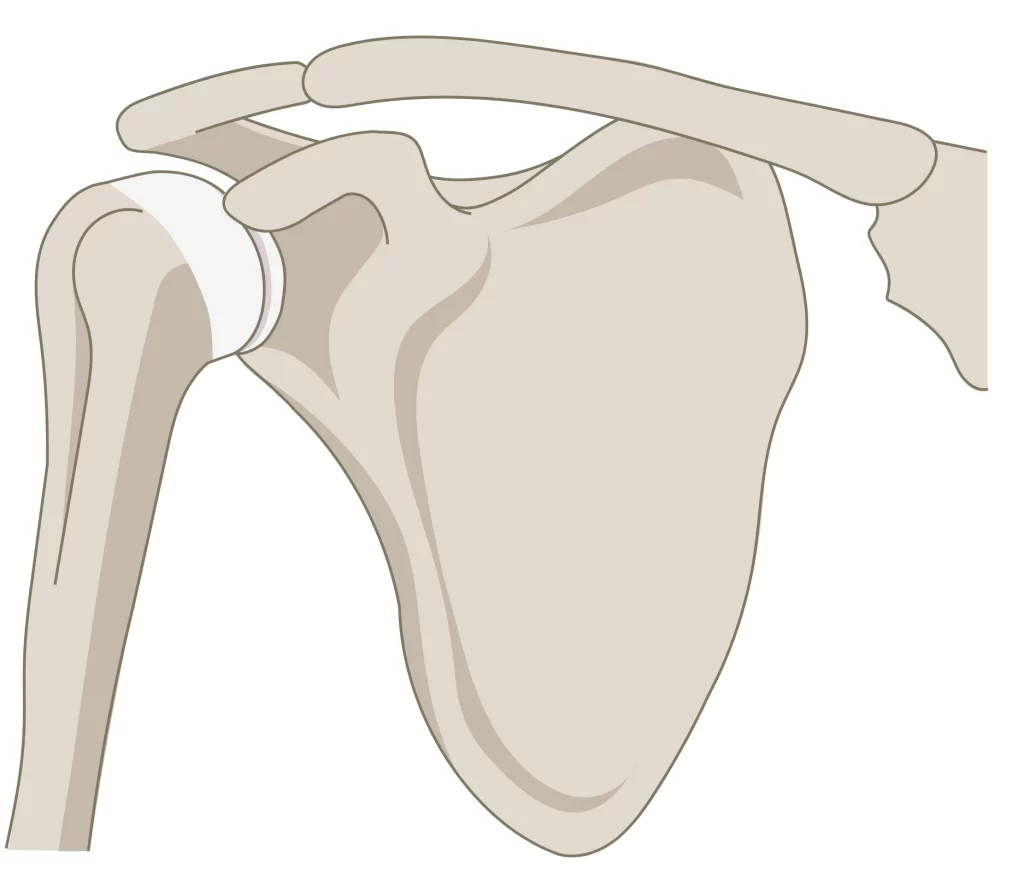
Figure 1: DataBase Center for Life Science (DBCLS). (2021, July 1). Anterior view of the shoulder joint [Illustration]. Wikimedia Commons. CC BY 4.0. https://commons.wikimedia.org/wiki/File:202107_Anterior_view_of_the_shoulder_joint.svg
Scapulothoracic Joint
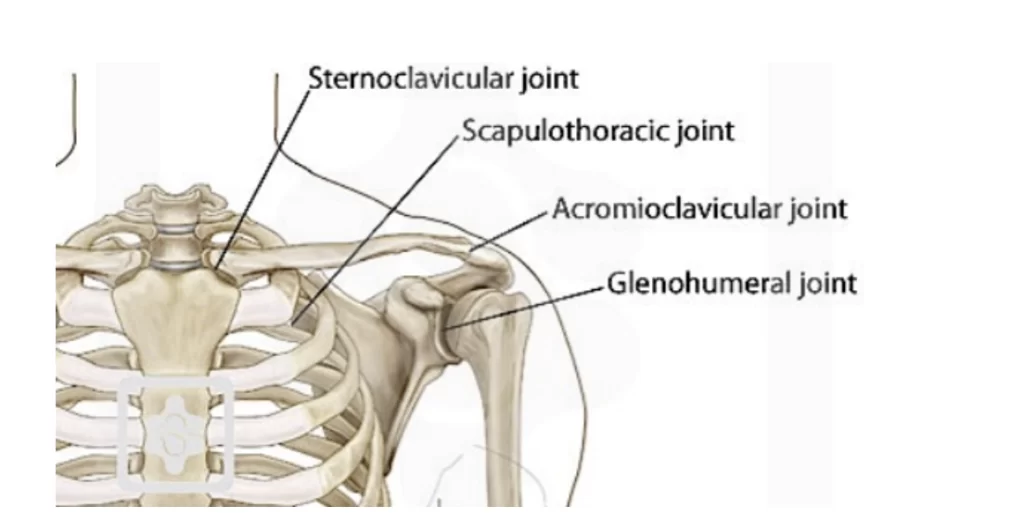
Figure 2. Example of joint identification model output. Adapted from Joint identification [Dataset], by A. Rane, n.d., Roboflow Universe (https://universe.roboflow.com/avani-rane-5gwdn/joint-identification-b0cya). Copyright n.d. by A. Rane. Reproduced under terms of use from Roboflow Universe.
The glenohumeral joint, like your hip joint, is very flexible and allows your arm to move in many directions. You can lift it up, swing it down, bring it closer to your body, move it away from your body, and rotate it in different directions. The rotator cuff muscles act like supportive straps to keep the upper arm bone in the socket of the shoulder blades – similar to how a golf ball stays on a tee.
The scapulothoracic joint is where the shoulder blades connect to your rib cage. The actions here include shrugging your shoulders, pulling them down, pushing them forward (as seen with a punching motion), pulling them back, and rotating them upward or downward.
The position of the shoulder blade directly influences the position of the upper arm. When you raise your arm overhead, your shoulder blade must rotate and glide along your rib cage to create space. If it doesn’t, you risk impingement, clicking, pain, and instability.
As many muscles act on both the shoulder blade and upper arm, it is easy for things to become unbalanced. When muscles are tight, weak, or not working well together, it can make it difficult for the shoulder blade to function properly and effectively, leading to excess stress and potential injury.
Common Shoulder Blade Issues
1. Upward rotation issues. Some people have trouble getting their shoulder blade to rotate upward when lifting their arms overhead. This is common with forward rounded shoulders, tight pecs, and a midback/thoracic spine that is pulled forward.
2. Weak support muscles. The lower trapezius and serratus anterior muscles help stabilize the shoulder blade. An overactive upper trapezius can often inhibit the lower trapezius.
3. Limited sliding movement. The shoulder blade sometimes has difficulty sliding forward and backward along the ribcage.
5 Shoulder Mobility Exercises
Scapular Wall Slides
These promote and build awareness of how to move your shoulder blades upward without shrugging. Which can lead to improper movement of the shoulder blade.
Swiss Ball Prone T Raises
This exercise activates the mid traps for pulling the shoulder blades together. For a fuller range of motion than on floor, try it on a Swiss ball.
Chest-Supported Serrano Press
This focuses on engaging the lower traps to pull down the shoulder blades. It’s a great way to prepare your muscles before doing exercises like lat pull downs.
Band Assisted Scapular CARs
This exercise helps improve overall shoulder blade control and movement. Good for assessing “sticky points” that you may want to work on further with soft tissue release or additional stretches.
Thread the Needle
This exercise allows the shoulder blade to slide forward along the rib cage, promoting good movement mechanics.
Next Steps
When you restore the balance between how your upper arm and shoulder blades move, you can unlock mobility, stability, and strength that will transfer over to your performance and longevity.
Explore our Mobility Training
If you want lasting flexibility, better movement, and injury prevention, our Specialized Mobility Personal Training is the next step. Work one-on-one with a certified personal trainer at one of our three gyms in Toronto to unlock your full range of motion and move pain-free.