
Muscles are about 80% water. If you are consistently hydrated, your muscles are also hydrated. This improves their ability to recover from stress or injuries. Many physical therapists ask their patients about their hydration levels before starting treatment. If the patient is dehydrated, some therapists won’t work on the patient because they know they won’t get the best results. It’s more worthwhile for them to rehydrate and come back because their issues will be much easier to resolve
When we are exercising, we lose water at a faster rate from sweating and breathing harder. It’s important to minimize any chance for dehydration by properly hydrating ahead of time, during, and after exercise to replenish sweat loss.
There are a couple ways to make sure you are properly stay Hydrated while Working out. One method is a general guideline to follow and works well for most people. The other is more scientific but isn’t as practical.
The first method recommends you consume five to six hundred milliliters of water two to three hours before exercise, then continue drinking two to three hundred milliliters every ten to twenty minutes before and during exercise.
This is a good guideline for most people. If you are engaging in higher intensity training, in a hotter environment, or you just sweat a lot, then you may need a more customized approach. We would have you start by weighing yourself before exercising with no clothes on.
Perform your exercise routine and keep track of the volume of fluids you are drinking while you’re training. Immediately after training, weigh yourself again with your clothes off. Total sweat loss is the weight in water that you drank during your workout plus the difference between your pre and post workout body weight. You need to replace 150% of this loss within 2 hours of the end of your workout.
The water you drank during your session can count towards your replenishment. For example, if you calculated that you lost 1KG of weight from working out, you would need to consume 1.5L of water after your workout.
Another factor you need to consider for this calculation is if you urinate during your workout. If you did you would need to measure how much fluid you lost that way. This can be inconvenient so I would recommend going to the bathroom right before you train to avoid this issue.
The reason we want your nude weight is that your clothes will absorb and hold on to the sweat that your body has lost. So when you go to weigh yourself, you are not getting an accurate representation of how much sweat you have lost because the scale doesn’t see that your clothes are soggier and heavier than before you started exercising.
You don’t need to do this each time you train because once you have this measurement, you will have a pretty good idea of how much you sweat when you train, and how much water you will in turn need to replenish. Keep in mind that factors such as the environment and weather will change the rate that you sweat. You may want to perform this method again if your environmental conditions change.
Hydrating properly will allow for optimal performance while exercising, and by following the tips in this video you’ll perform at your best.
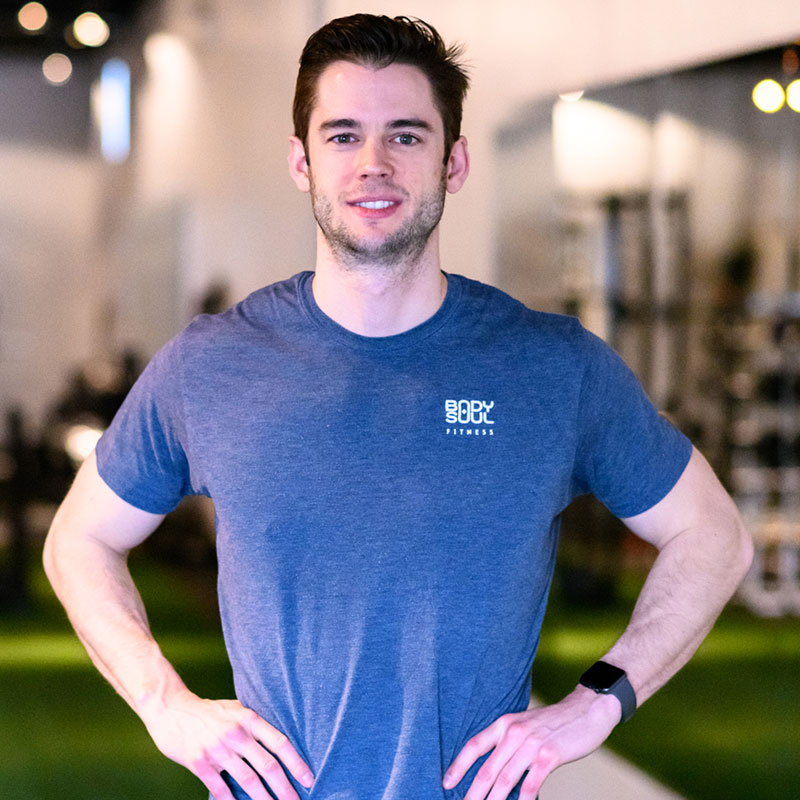
Chris Munro
Share This Post